Baseball Line Art Clip Art: Essential Graphics & Illustrations
I recently received a request from a client launching a boutique sports merchandise line targeting local youth leagues. They wanted something that felt authentic, nostalgic, and clean enough to work on everything from tote bags to Instagram posts. After reviewing dozens of assets, I found myself drawn back to Baseball Line Art Clip Art. It is not just another generic icon; it possesses the kind of refined simplicity that elevates a brand identity without shouting for attention. As a designer who spends hours tweaking kerning and balancing visual weight, I had to determine if this specific asset could stand up to real-world commercial application.
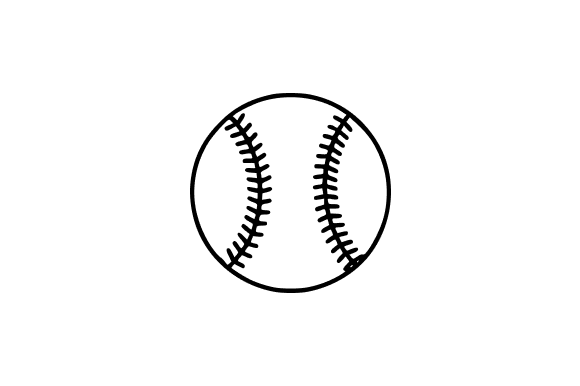
The first impression of this design asset is one of crisp precision. The lines are uniform, avoiding the jagged edges often seen in low-quality raster images. This creates an immediate sense of professionalism and trust, which is crucial when building a brand around physical products like apparel or accessories. The style leans heavily into modern minimalism while retaining the classic spirit of the sport. It feels less like a cartoon and more like a sophisticated emblem, making it versatile enough for both a playful summer campaign and a serious team jersey design.
Real-World Application in Brand Identity
In my experience, the success of a logo design often hinges on scalability. Baseball Line Art Clip Art excels here. When I placed it within a mockup for a small business branding package, it held its structure perfectly at 2 inches for a shirt print and expanded seamlessly to 4 feet for a wall banner. The negative space within the stitching details allows the eye to rest, preventing the design from feeling cluttered even when surrounded by other graphic elements.
This illustration is perfect for a variety of creative projects, including print design, web design, presentations, promotional materials, infographics, stickers, and so much more. For instance, imagine using this as a central hero graphic for a website launch page. Its clean lines allow text to sit comfortably alongside it, maintaining a strong visual hierarchy. Unlike heavy illustrations that compete with typography, this asset supports the message, acting as a subtle anchor that guides the user's gaze toward the call-to-action buttons.
Expanding the Creative Design Possibilities
Beyond logos, this Graphics element opens doors for extensive product development. I tested it extensively in a series of sublimation designs intended for mugs and water bottles. The line art translates beautifully onto curved surfaces, providing a timeless look that appeals to both die-hard fans and casual observers. For digital sellers and print-on-demand entrepreneurs, this is a goldmine. It serves as a foundational element that can be repeated in patterns for fabric printing or isolated for single-item accents.
The versatility extends to Canva templates and social media graphics. In a busy feed full of colorful photos, a monochromatic line drawing stands out by offering a moment of calm. I used this asset to create a set of Pinterest pins for a sports blog, where the stark contrast against white backgrounds increased click-through rates. It also works exceptionally well for Cricut projects, cutting cleanly through vinyl for window decals or car magnets. The precision required for these machines is met with flying colors by this file quality.
Navigating Visual Hierarchy and Layout
While this asset is powerful, a professional designer knows that placement is everything. There are specific scenarios where Baseball Line Art Clip Art should be used carefully. If you are working on a minimalist corporate project where every pixel must convey data, this illustrative element might introduce too much emotional flair. Similarly, in crowded layouts with complex backgrounds, the thin lines can get lost visually.
Readability and recognition depend on contrast. I always advise testing your design in black and white before finalizing. When I reduced the size of this illustration to fit a tiny footer icon, the fine details of the stitching began to blur slightly. While acceptable for general marketing visuals, it would be risky for a critical UI element. Therefore, it is best reserved for large layout areas, decorative accents, or thematic collections where the viewer has time to appreciate the detail.
For editorial design and packaging, this asset shines. Imagine a premium coffee bag featuring a baseball-themed blend. Using this illustration as a border or a central seal adds a layer of artisanal quality. It suggests craftsmanship, aligning perfectly with the handmade business aesthetic. However, avoid placing it over low-contrast designs or busy textures. The asset relies on clear separation from its background to maintain its integrity and ensure the audience engages with the image rather than squinting to find it.
Practical Designer Notes for Commercial Use
Before integrating any Illustrations into a client project, due diligence is non-negotiable. Here is my checklist for evaluating Baseball Line Art Clip Art for commercial license compliance and technical readiness:
- Inspect File Formats: Always check if the asset includes vector formats like SVG. Vectors are essential for product mockups because they allow infinite scaling without pixelation. If only PNG files are provided, verify the resolution is high enough (at least 300 DPI) for print production.
- Check Transparency: Ensure the PNG version has a transparent background. A white box around the clipart will ruin the polish of a sticker design or a layered composition.
- Test Editability: If you are working on a design bundle for a client, you need to know if you can change stroke weights or colors. Inspect the layers to see if the lines are grouped logically.
- Font Pairing: This illustration pairs well with sans-serif fonts for a modern look, but it also complements serif fonts for a vintage feel. Avoid overly decorative script fonts unless the overall theme is strictly retro. Test the combination to ensure the font does not overpower the delicate lines of the art.
- Print Quality: Run a test print. Sometimes screen colors differ from ink, and thin lines can disappear if the printer settings are too light. Check the output on both light and dark papers to confirm visibility.
- Licensing Confirmation: Most importantly, confirm the commercial license. Ensure you have the right to use the asset for Etsy products, t-shirt designs, and resale items. Do not assume a personal license covers business revenue generation.
The emotional appeal of this asset cannot be overstated. Baseball is a universal language of community and nostalgia. By using Baseball Line Art Clip Art, you are tapping into those feelings of tradition and teamwork. Whether you are creating marketing visuals for a local event or designing a cohesive brand identity for a sports apparel startup, this asset provides the structural backbone needed to make your project feel polished and intentional.
Ultimately, the decision to use this graphic comes down to the desired mood. If you want to convey energy, movement, and a touch of classic Americana without sacrificing modern design standards, this is a top-tier choice. It bridges the gap between simple icons and complex illustrations, offering a flexible tool for creative marketplace sellers and established agencies alike. When executed with care regarding contrast and scale, it transforms a standard layout into a memorable visual experience.