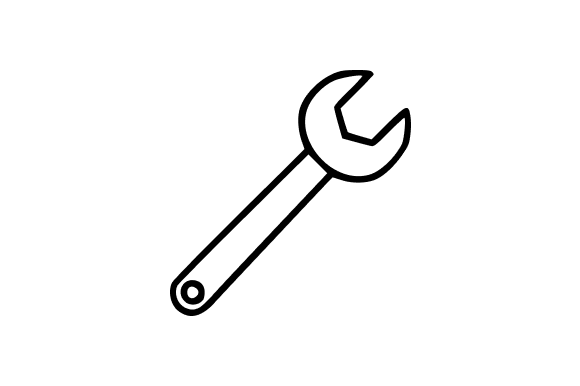
Crescent Wrench Line Art Clip Art Review
When I first opened the file for Crescent Wrench Line Art Clip Art, I didn't just see a simple vector shape; I saw a tool. In the world of embroidery, where we translate flat digital images into textured fabric, every line matters. As a designer who has spent years refining designs for client projects and my own handmade shop, I know that not all illustrations are created equal when it comes to stitching. This piece of Illustrations and Graphics caught my eye immediately because of its clean, industrial aesthetic. It feels like something you would find in a vintage mechanic's garage or a modern maker space. But does it hold up under the needle? Can it stand alone as a finished product on a tote bag or a sweatshirt?
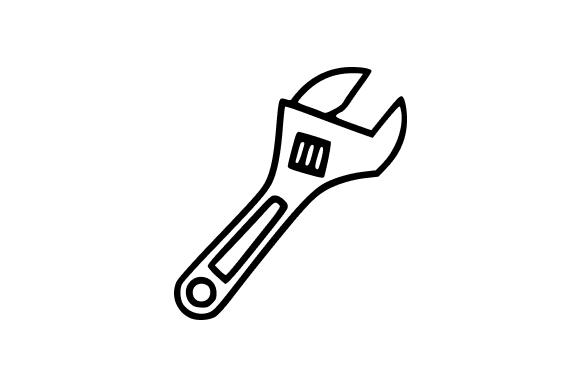
I decided to put Crescent Wrench Line Art Clip Art to the test by creating a custom embroidered tote bag for a local woodworking workshop. The goal was to create a practical, durable gift that reflected the owner's trade without looking too busy or overly detailed. The design features a single, continuous line forming the classic shape of a wrench. It is minimalist, bold, and relies heavily on negative space. This simplicity is often the biggest asset for machine embroidery, yet it can also be the most challenging if the stitch density isn't managed correctly.
The Real-World Stitch Test
The moment I loaded the design onto my hoop, I noticed how the open structure of the line art interacts with the fabric. Unlike a dense fill pattern that requires heavy stabilizer and multiple passes, this design relies on the strength of the outline. For the tote bag project, I used a medium-weight canvas. The Crescent Wrench Line Art Clip Art performed beautifully here. Because the lines are distinct and the curves are smooth, the satin stitch followed the path perfectly, creating a crisp edge that mimicked the original illustration.
However, the real challenge came when I considered smaller applications. Imagine trying to use this same design on a baby onesie or a small cap patch. The curve of the wrench handle is elegant, but if the hoop size is too small relative to the design dimensions, the corners might look slightly distorted after stitching. When working with embroidery files that have long, sweeping lines, tension consistency is key. If your machine tension varies even slightly, those long stretches of thread can pucker the fabric. I found that using a cut-away stabilizer behind the canvas provided the necessary support to keep the lines straight and the fabric flat.
Visual Appeal and Product Value
In the marketplace, especially for Etsy sellers and craft business owners, the visual impact of a design dictates the perceived value of the item. A generic, blocky wrench icon often looks cheap and mass-produced. Crescent Wrench Line Art Clip Art, however, carries a sense of intentionality. It feels hand-drawn and curated. When stitched onto a dark denim jacket or a black apron, the contrast creates a striking focal point that draws the eye immediately. This kind of visual clarity builds trust with customers. They can see that the design is deliberate and well-executed, which elevates the entire handmade product.
This design also excels in branding scenarios. Think about a boutique selling tools, hardware, or automotive accessories. A logo featuring this specific line art style can become a signature element across various products. You could embroider it on a high-end leather wallet, a kitchen towel for a chef who loves DIY, or even a pillow cover for a nursery with an industrial theme. The versatility of the Graphics allows it to fit seamlessly into different themes, from rugged outdoor gear to sleek, modern home decor.
Navigating Fabric and Texture Challenges
While the design is robust, there are specific fabrics where caution is required. Stretchy materials like jersey knit or thin synthetics can be tricky for line art. Without proper stabilization, the tension of the thread can cause the fabric to gather, distorting the perfect geometry of the wrench. I recommend avoiding this design on very stretchy fabrics unless you are using a tear-away stabilizer specifically designed for knits, or perhaps switching to a running stitch technique which is more forgiving than a tight satin stitch.
Similarly, textured fabrics like fleece or heavy wool can sometimes hide the fine details of a line drawing. On a thick fleece sweatshirt, the raised stitches might get lost in the nap of the fabric, making the wrench look less defined. In these cases, the design might need to be slightly enlarged or the thread colors adjusted to ensure visibility. If you are working with dark fabric, selecting a thread color that provides high contrast is non-negotiable. A silver or metallic thread could add a nice touch of shine, mimicking the actual metal of a wrench, but standard cotton threads in white, light gray, or bright yellow will pop effectively against dark backgrounds.
Practical Notes for Designers and Sellers
Before you rush to list this as a commercial embroidery product or start sewing personalized gifts, there are a few critical steps to take. First, always test the design on scrap fabric. This is the golden rule of our industry. Check how the stitch density behaves at the corners of the wrench head and the end of the handle. Ensure that the thread doesn't break and that the fabric doesn't pucker.
You must also verify the licensing terms associated with the file. Just because it is labeled as Graphics or Illustrations for print does not automatically grant you the right to sell finished embroidered items. Confirm whether the license covers commercial use for physical goods. Additionally, review the file format compatibility with your embroidery machine software. While the description suggests it works for various creative projects, ensuring the digitization is optimized for your specific machine will save you hours of troubleshooting.
For those of you planning to create mockups for your online store, this design translates well to printable previews. Its clean lines make it easy to visualize on different colored garments in digital renderings. However, remember that a screen image is not the final product. Always show customers realistic photos of the actual stitching, including close-ups of the texture, so they know exactly what they are buying.
Final Thoughts on a Tool for Makers
Crescent Wrench Line Art Clip Art is more than just a decorative element; it is a statement of utility and craftsmanship. It resonates with hobbyists, mechanics, and anyone who appreciates the beauty of functional objects. Whether you are designing a holiday gift for a father who loves to fix things around the house, or creating a professional uniform for a repair shop, this design offers a level of sophistication that stands out.
It strikes a balance between being too complex to stitch and too simple to ignore. By paying attention to the nuances of fabric choice, stabilizer selection, and thread color, you can transform this digital asset into a tangible piece of art that customers will cherish. For any small shop product line looking to incorporate industrial or mechanical themes, this is a smart addition to your design assets. It proves that sometimes, the best designs are the ones that let the craft speak for itself.